How to choose a name-engraved wooden puzzle
A name-engraved wooden puzzle makes a special gift for a child. However, even puzzles with the same name require different pieces and layouts depending on the child's age and how they play. This article walks through each step, from what to check before choosing a puzzle, to piece sizes by age, layouts based on name length, the differences between engraving and printing, wood and finish, and packaging.
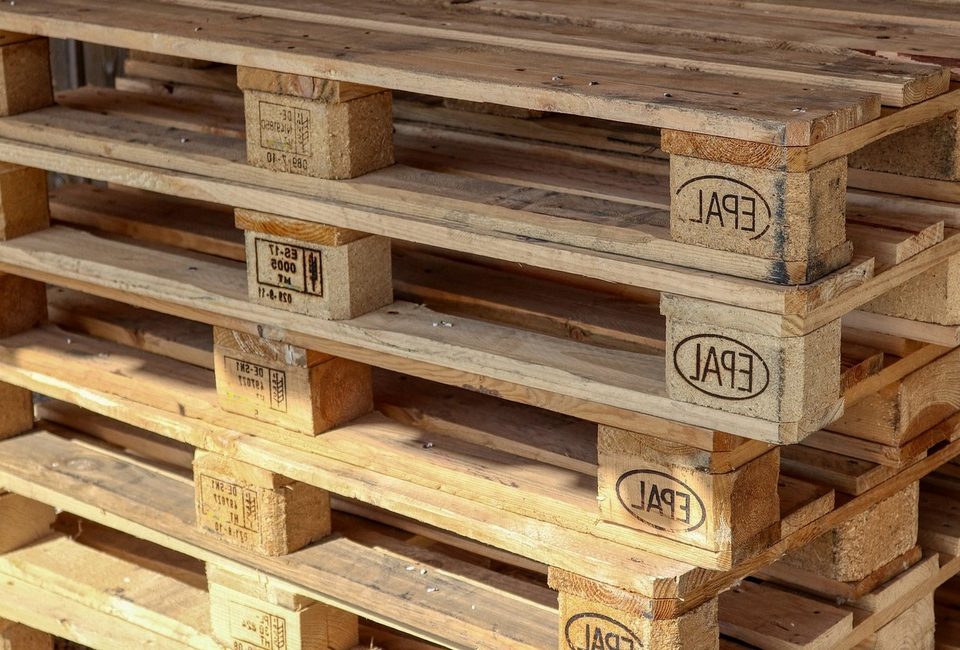
Whether engraved or printed, the name's finish changes the feel of the finished puzzle considerably.
What to check before choosing a puzzle
The first thing to consider when choosing a name-engraved wooden puzzle is who will play with it. The right puzzle depends on the recipient's age, hand movement, and favorite way of playing. Even with the same name, the considerations change depending on whether it's meant for play or for display in a room or on a desk. Deciding the purpose before you buy will narrow your options and make the choice much easier.
It's also wise to look at your budget and delivery timing. If you need to order for a set date, such as a birthday or a first birthday, allow plenty of production time. Custom orders require a process to arrange the name letters, so it's safer to check the seller's schedule in advance. Prepare the recipient's name spelling accurately to avoid mistakes.
Finally, think about the space where the puzzle will be kept and the other toys it will be used with. If your home already has many educational wooden toys, it helps to check whether the design's colors harmonize with them. Answering these basic questions will naturally clarify which puzzle suits the child. In the next sections, we'll look at the specific criteria for age and layout one by one.
- Check the recipient's age and hand size
- Decide whether it's for play or display
- Check production time against the gift date
- Settle the name spelling and format in advance
Piece sizes that change with age
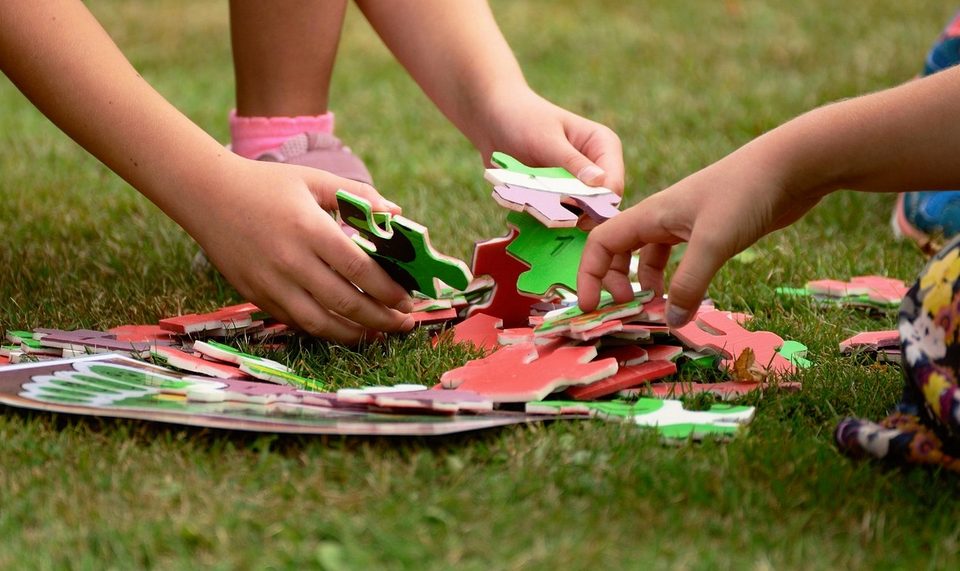
Piece size should change considerably with age. Younger children are still developing their hand strength and dexterity, so large pieces are easier to grip. If the pieces are too small, a child will struggle to pick them up and the risk of them going into the mouth increases. For young children, the usual guideline is to choose pieces with generous handles and rounded, smoothed edges.
For slightly older children, puzzles with more pieces of medium size are a good choice. At this stage, they learn how to fit pieces together and develop the ability to distinguish shapes. As the outlines of the pieces become more complex, children can practice concentration and fingertip sensitivity. However, giving too many pieces at once can dampen interest, so it's best to divide the challenge into levels suited to the child's ability.
It's also important to base your choice on the child's actual developmental level rather than age alone. Even children of the same age differ in how skillfully they handle objects with their hands. Treat the age range suggested by the seller as a reference only, and observe directly whether the child can comfortably grip and assemble the pieces. It's safer to avoid products whose pieces come out easily or whose fit is overly loose.
Layout methods based on name length
The number of letters in a name has the biggest influence on the puzzle's layout and piece count. Splitting each letter into its own piece turns the name into a game that naturally teaches spelling, and the piece count rises as the name gets longer. For a short name, placing a large piece for each letter so the child can read and match them one at a time looks clean. For a long name, grouping two or three letters into one piece is also worth considering.
To fit a long name on a single board, you need to secure enough board size and spacing. If the gaps between letters are too tight, the pieces are hard to pick up and the child may get confused while assembling. Conversely, wide gaps enlarge the whole board, making it inconvenient to store and display. It's therefore best to decide the layout by considering both the length of the name and a size that is comfortable for the child to handle.
It also helps to think about how the letters are arranged in advance. Whether they run in a single horizontal line or are split into several rows changes the finished look considerably. If the child is still learning letters, a layout with letters in sequential order is helpful, while for play-focused use, a layout with a background picture may be more engaging. Check the spelling and letter order of the name several times to make sure there are no errors.
Differences between engraving and printing methods
Whether engraved or printed, the name's finish changes the feel of the finished puzzle considerably. Engraving burns the letters into the wood surface with a laser or heat, so the outlines stay crisp and last a long time, and the natural grain of the wood remains visible, giving an organic look. Printing, on the other hand, lays ink on the surface, which offers a wider choice of colours, but the colour can gradually fade when rubbed or exposed to saliva. If the puzzle is a toy a child handles every day, it is wise to weigh durability first.
Legibility is another important difference. Small lettering or thin strokes can blur or look faint when printed, so if the name contains many final consonants or complex vowels, engraving will usually give a more reliable result. Conversely, if you want to highlight the name in bright colours, printing or staining is worth considering. However, always check what the colourant is made of and whether it is safe for a child who may put the piece in their mouth.
When choosing an engraving method, it also helps to look at the depth of the letters. Letters engraved too shallowly may fade over time, while overly deep engraving can weaken the strength of the piece. Before buying, read carefully how the engraving and lettering are described on the product page, and compare whether the letters in the photos look as sharp as the actual product would. The more meaningful the name is as a gift, the more these details determine satisfaction.
- Engraving gives crisp, long-lasting letter outlines.
- Printing offers many colour options but may wear off with friction.
- For names with thin strokes or many final consonants, engraving is more reliable.
- Always check the colourant's ingredients and safety certification.
- Compare engraving depth and lettering method in the product details.
Wood Type and Finish Checklist
The type of wood affects the puzzle's weight, texture and safety. Dense hardwoods are durable and suit play where pieces are handled and fitted repeatedly, but their weight may be a burden for very young children. Lighter softwoods are easier to grip and have a softer grain, but they scratch easily, so the surface finish matters especially. Checking whether the seller specifies the wood species clearly will help you understand the character of the product more accurately.
The finish should be checked with the fact that a child will handle the product directly in mind. Pieces finished with food-grade oil or plant-based oil feel natural and soft to the touch. If a glossy paint or epoxy-type coating was used, however, look for the ingredient list and check whether there is a test report or safety standard mark regarding harmful substances, which helps give peace of mind. Whether the seller discloses this information clearly is also a good criterion for judgement.
If you cannot inspect the pieces by hand, check how smooth the edges and surfaces are from the photos and description. Avoid products where the edges look rough or show signs of splinters. It is also important that the machining is precise enough that the wood does not split when pieces are inserted and removed. Examining the grain and finish of the wood together will help you choose a puzzle that stays safe and satisfying even after long use.
How to Choose a Gift Box and Packaging
The gift box and packaging determine the first impression when someone meets the puzzle. Especially for a gift engraved with a name, the excitement of opening the packaging adds greatly to its value. The box should have good internal fixing so the pieces do not rattle, and it is worth checking that the lid opens and closes easily. Matching the box size and colour to the recipient's age and tastes will naturally improve the overall finish.
When choosing packaging materials, it is also worth considering eco-friendliness and recyclability. Paper boxes or fabric pouches are light, easy to store, and create a natural mood that suits wooden toys. Plastic wrap or excessive decoration should be avoided where possible, as a child may tear it open, swallow parts, or lose pieces. Including a simple card or a message bearing the name inside the box can convey the meaning of the gift even more deeply.
Finally, decide on the packaging by considering both the purpose of the gift and when it will be given. For a gift presented at a celebration such as a birthday or a first-birthday party, a slightly more festive wrapping may suit the occasion, while for a small everyday gift, neat and practical packaging feels more natural. When entrusting the packaging, remember to request plenty of protective material so the box is not crushed during delivery. Thoughtful preparation fully conveys the value of the name puzzle.
Key takeaways
-
Engraving Method Engraving produces clear, long-lasting letters, while printing offers a wider range of colors but may be less resistant to friction.
-
Solid Wood and Finish It is important to check the weight and texture of the wood type together with the safety information of the finishing materials.
-
Packaging Preparation Choosing a box that holds the pieces in place and eco-friendly packaging will enhance the finish of your gift.
This article is for general information only and does not replace professional advice.