How to choose a personalized puzzle for an anniversary gift
When preparing a gift for a meaningful day such as a birthday or the start of school, a wooden puzzle engraved with a name becomes a keepsake that lasts. Still, deciding which message to include and how long the engraving should be can be tricky. This article explains how to set the direction of the message according to the nature of the occasion, and then walks through the criteria for choosing engraved wording and how to include the date.

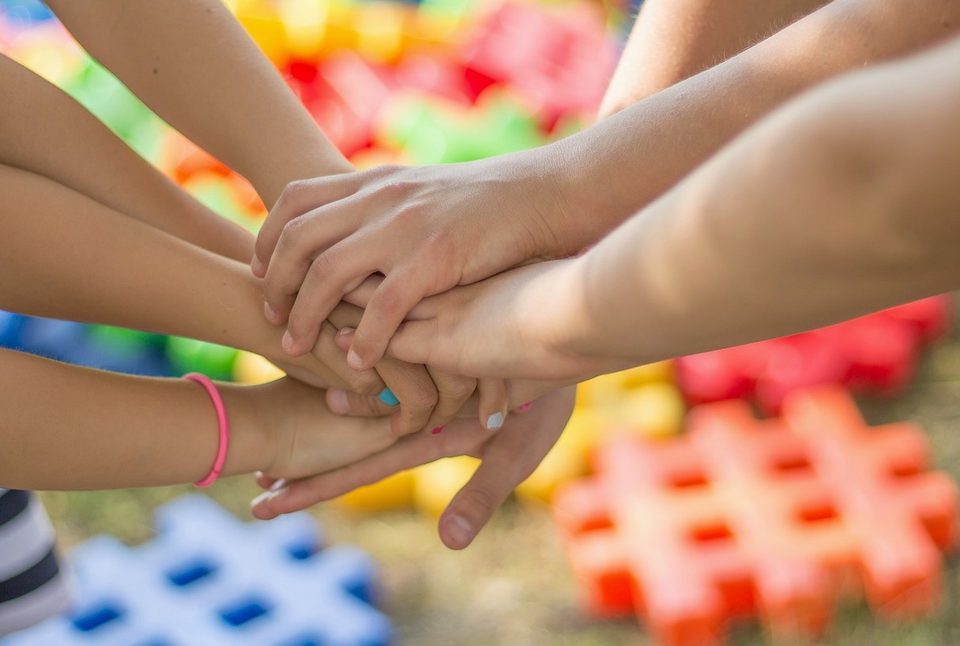
Putting every family member's name on a single puzzle makes the gift mean so much more.
Message Directions That Change with Each Occasion
The feeling a gift conveys differs slightly depending on the occasion. For a birthday, words that celebrate the past year and encourage growth in the year ahead fit naturally. For an entrance or graduation, which mark a new beginning, short sentences expressing courage and determination suit better. For a first-birthday or anniversary celebration, it is better to emphasize gratitude for the time shared and warm memories. Thinking about what the day means to the recipient makes the direction of the message much clearer. Remember that even with the same name, the words you want to convey can differ depending on the day.
The recipient's age and personality are also important criteria when deciding on the message. For young children, simple and cheerful wording tends to come across well, while for older children or teenagers, a sentence that offers encouragement may suit better. If the gift is for a parent or another close adult, it is best to convey gratitude and respect in a calm way. Thinking about the kinds of words the recipient usually likes can also help. A sentence chosen this way quietly conveys your feelings each time the puzzle is put together.
Finally, consider the mood of the occasion and the nature of the gift setting. A gift exchanged quietly within the family and one presented in front of a group may call for a different tone of wording. Rather than overly excited expressions, sentences that feel comfortable even when read again and again are usually the safest choice. Deciding on one core message you want to convey keeps the message from wavering. Deciding on the meaning of the occasion first and then choosing the wording will further enhance the completeness of the gift.
Criteria for Deciding the Length of the Engraved Text
The length of the engraved text should be decided according to the size of the puzzle, the number of pieces, and whether the reader can take it in at a glance. If the text is too long, the letters become small and hard to read, and the spacing between pieces may also become tight. Conversely, leaving only one or two words may not fully convey the meaning of the occasion. A name plus one short sentence is generally considered the most balanced length. Considering where the puzzle will be placed and the viewing distance makes it much easier to find the appropriate length.
When choosing the wording, the basic rule is to give priority so that the name is the most visible. Any words added after the name should be short and clear. Even when the meaning is the same, fewer words leave more room between letters and improve readability. If a young child will be reading it, it is safer to choose expressions with few final consonants that are easy to pronounce. Sentences where many Korean letters are tightly intertwined can be inconvenient to read during assembly, so it is better to avoid them.
After choosing a sentence, it is good to read it aloud. Check whether it sounds natural when spoken, and whether the spacing and particles are natural. If it is difficult to shorten the text, there is also the option of keeping only the name and one word for the occasion and removing the rest. It is also worth checking whether the finished text harmonizes with the overall design of the puzzle. In the end, a concise yet clearly meaningful text is what is remembered the longest.
- Place the name and the word for the occasion first
- Keep sentences short to ensure generous spacing between letters
- For young children, choose expressions that are easy to pronounce
- Read aloud and check for awkward particles and spacing
Engraving the Date with a Short Message
Engraving the date as well gives the gift added meaning as a record of the occasion. For a birthday, think of the date of birth; for an entrance into school, think of the year and the name of the school. However, it is important to arrange the date on a single line so that it does not obscure the name or message. It is natural to follow the date format the family normally uses. Varying the font size so that the date and the text do not compete with each other keeps the eye from being distracted.
When engraving a short message together with a date, it is good to first estimate the total amount of text. Dividing roles, such as one line for the date, one line for the name, and one line for a short sentence, keeps the layout tidy. As the number of lines increases, each letter becomes smaller, so it is preferable to keep only the essential information. In the case of a family event involving several dates, selecting only the most important day is also an option. Being clear about the criteria for selection naturally improves the completeness of the puzzle.
When arranging the date and text together, also imagine how the person who will later see the gift will feel. Since it is an item kept for a long time, content whose meaning does not change over time is best. Jokes or temporary expressions that only work in a specific situation are safer to avoid. The date should be checked for accuracy, and the wording should be refined calmly. A gift prepared this way becomes a precious record that reminds the recipient of the occasion again.
Layout Including the Names of the Whole Family
Putting every family member's name on a single puzzle makes the gift mean so much more. Arranging the names of parents, siblings and grandparents in turn lets the child naturally feel where they belong within the family. When the names differ in length, it is best to split them across lines or adjust the font size slightly to keep things balanced. Placing a small symbol or illustration between names keeps them from blending together and makes the layout look tidy. Sketching the layout on paper beforehand makes it easier to picture the finished piece. Please pay particular attention to order and size, so that no one's name ends up too small.
The more family members there are, the more you may wonder which name to place first. Putting the child's name at the center and surrounding it with family names is a safe choice that expresses the family circle. Arranging the names by age, on the other hand, can give the feeling of a family history. Whichever approach you choose, matching the font and weight of every name creates a much more unified finish. Don't forget to double-check the spelling of each name before ordering. It may be a small detail, but accurate lettering largely determines the quality of the gift.
Finishing with Packaging and a Card
When wrapping the gift, choosing natural materials that complement the colors of the puzzle warms the overall mood. Kraft paper or plain cotton pouches go well with the texture of wood and give a simple yet orderly impression. Including dividers inside the packaging to hold each puzzle piece separately makes the process of taking them out and assembling them even more enjoyable for the child. Choose ribbons or cords in subdued colors so that the name on the puzzle remains easy to see. Counting to make sure all the pieces are included before sealing the package is also a helpful habit.
A card is best finished with a short, heartfelt message. A line or two wishing the child growth or congratulating them on an occasion is enough. Writing it by hand as a guardian makes it a special keepsake in itself, and when choosing printed wording, a soft typeface works well. Writing a simple way to assemble the puzzle on the back of the card helps the child get started easily even on first contact. Remember that the card adds one more layer of emotion to the gift.
Tips for Deciding When to Deliver the Gift
Deciding when to give the gift starts with considering whether the day itself or the days before or after is better. For occasions with a clear date, such as a birthday, giving it on the morning of the day or at a family gathering makes its meaning most vivid. For events that need a long preparation period, such as an entrance ceremony or graduation, you may also hand it over a few days in advance so the child has time to get familiar with it. Custom orders require lead time, so working backward from the delivery date and leaving a margin is the safer approach. However, production times vary by manufacturer, so please confirm them directly before ordering. A well-planned schedule protects the joy of the gift.
At gatherings where many people take part, such as a first-birthday celebration or a family party, placing the gift at the very end makes the atmosphere feel warmer. Discussing it in advance, with the child looking for their own name, makes the flow of the event more natural. Once you have settled on the timing, please also coordinate the packaging and card preparation. The moments that stay in memory are usually those when the care put into preparing the gift comes through.
- Deliver it at a family gathering on the day of the occasion
- For entrance ceremonies or graduations, hand it over a few days before the event
- Work backward from the delivery date to plan the production period
- For a first-birthday celebration, deliver it as the final item
- Confirm the exact production period directly with the manufacturer
Key takeaways
-
Family Composition Adjust lines and sizes to arrange multiple names in a balanced way, and keep fonts and weights uniform.
-
Packaging and Card Natural-material packaging and a short, heartfelt card message complete the emotional side of the gift.
-
Delivery Timing Plan with enough margin around the occasion, taking the custom production period into account.
This article is for general information only and does not replace professional advice.